The Kruger National Park is not malaria-free. It lies in the low-lying north-east of South Africa, where malaria is passed on by mosquitoes, mainly in the warm, wet months. This page sums up what the health authorities say, so you can take the right questions to a travel clinic. It isn’t medical advice.
Is there malaria in the Kruger?
Yes. South Africa’s National Institute for Communicable Diseases (NICD) names parts of Limpopo, Mpumalanga and KwaZulu-Natal as malaria-endemic, and the Kruger spans Limpopo and Mpumalanga. The US Centers for Disease Control and Prevention (CDC) lists the Kruger National Park as an area with malaria and recommends prescription medicine to prevent it there. The UK’s National Travel Health Network and Centre (NaTHNaC) names the park as well.
Most of South Africa carries no malaria risk, including Cape Town, Johannesburg and the Garden Route. The risk is specific to the north-east, which is where the Kruger and the lodges around it sit.
When is the malaria risk highest in the Kruger?
Malaria is transmitted mainly from September to May, with the wet summer months the busiest. The NICD notes that the start of summer marks the beginning of the high transmission season.
| Months | Risk | What UK advice recommends |
|---|---|---|
| September to May | Transmission season | Antimalarial tablets, plus avoiding mosquito bites |
| June to August | Very low | Avoiding mosquito bites; tablets are not usually advised |
Low risk isn’t the same as no risk. An NICD advisory for Kruger visitors noted some risk throughout the year, and NaTHNaC says everyone should avoid bites in risk areas in every month. The CDC’s page for South Africa doesn’t split its advice by season.
How do you prevent malaria on a Kruger safari?
NaTHNaC sums up prevention as ABCD: be aware of the risk, avoid bites, take the right antimalarial if one is advised, and get a prompt diagnosis if you fall ill.
- Repellent. The NICD advises a repellent with at least 10% DEET on exposed skin.
- Cover up from dusk to dawn. The NICD advises avoiding bites between dusk and dawn, with long sleeves and long trousers.
- Keep them out of your room. Close windows and screens at night. The NICD also lists fans or air-conditioning and mosquito coils.
- Tablets. For the Kruger in season, NaTHNaC lists atovaquone/proguanil, doxycycline or mefloquine, and the CDC lists the same three plus tafenoquine. A doctor or travel clinic decides which, if any, suits you.
- Watch for fever. Get medical help straight away if you develop a fever or flu-like illness during your trip or in the year after it, and say that you have been in a malaria area. The NICD says such a fever needs an urgent blood test.
What about children and pregnancy?
Both groups are more vulnerable. The NICD advises pregnant women to avoid malaria areas, and NaTHNaC says pregnant women should avoid travel to them where possible, because the disease is more likely to be severe. NaTHNaC also lists infants and young children among those at higher risk.
Antimalarials for children are chosen and dosed by a professional, and some aren’t suitable for young children at all. If you’re pregnant or travelling with children, talk to your doctor or a travel clinic before you book. On our side, the group safaris take children from age 8, most private safaris from age 4 and the day safaris from age 3.
What do Kurt Safari’s lodges provide?
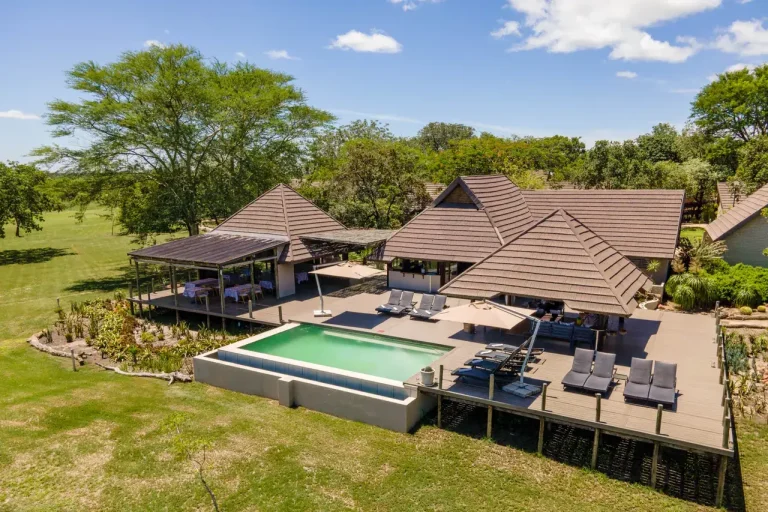
Umbhaba Eco Lodge in Hazyview, used on the classic, luxury, private luxury and self-drive safaris, has air-conditioning in every room. The Sabi Sand and Guernsey lodges on the 4 and 6 day photographic safaris also have air-conditioned rooms. We don’t list mosquito nets for any of these stays. Bring your own repellent and long layers for the evening drives, when you’ll be outdoors in an open vehicle.
Is there a malaria-free alternative?
Kruger Safaris, operated by Kurt Safari in Hazyview, runs all its Kruger tours inside the malaria area. If you’d rather avoid it, the Garden Route tours we book from Cape Town travel through the Western and Eastern Cape, where NaTHNaC lists no malaria risk. Three of them visit Addo Elephant National Park, and the 5-Day Garden Route and Addo Tour also stops at Botlierskop Private Game Reserve. The scenery and the wildlife are different from the Kruger, so think of these as a different holiday rather than a like-for-like swap.
If you’re combining the Kruger with the Falls, the Kruger and Victoria Falls page covers the second leg; ask your clinic about both areas at the same appointment.
Check before you go
Advice changes, and only a professional who knows your health can tell you what to take. Book an appointment with a travel clinic or your doctor well before you leave, and tell them your dates and where you’ll stay. For planning the rest of your trip, our best time to visit the Kruger guide covers the seasons, and what to wear on a Kruger safari covers the layers worth packing.