
No place sees the changing of the seasons quite like the African bush does. With the passing of each season, the veld changes colour and dies back, the wildlife migrates, some birds return while others leave.
What makes the Kruger such an incredible place is that nothing is predictable. As the seasons change, so do the sights.
Official records from South African National Parks and recent visitor patterns show that wildlife viewing peaks when the bush thins and animals gather around the scarce water sources.
The Kruger is the ultimate year-round destination, and knowing what to expect to see during which season is one of the best ways to plan your trip.
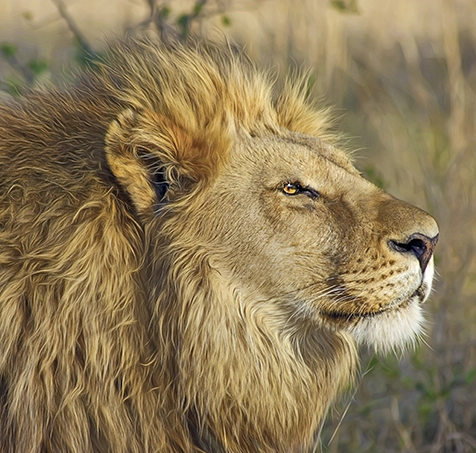
Many experienced visitors say that the dry winter months, particularly June through September, are the sweet spot for the absolute best sightings.
Vegetation becomes sparse, and water sources draw herds and predators closer to roads and viewing areas.
September is especially lovely, with milder mornings and excellent visibility before the first rains arrive.
Game viewing ratings from long-term data frequently rate these months highest for Big Five encounters.
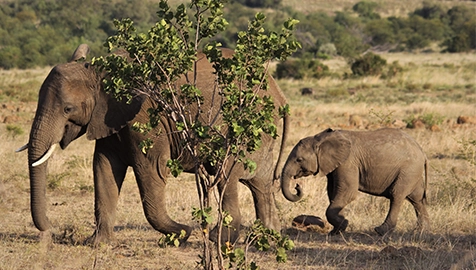
Peak school holiday periods, especially mid-December to mid-January, bring higher visitor numbers and busier rest camps.
The height of the wet summer, from December to February, can also mean hot, humid conditions with afternoon showers that limit driving hours and make animals harder to spot as they disperse.
Malaria risk also rises during the warmer, wetter months, so travellers should consult their health provider in order to get the best guidance and precautionary medication.
Summer (November to March)
The summer rains bring a flush of new vegetation.
Newborn animals appear, and migrant birds add some colour and song to the bush. Waterholes begin to fill up after the first rains, yet this sudden growth of bush and return of water spreads the wildlife wider, so sightings are not as frequent as they would be in the winter.
In September, the days grow warm to hot, and some end with a welcome short rain shower.
You should pack lightweight, breathable layers in neutral tones, a light rain jacket, binoculars, and insect repellent.
Autumn (April to May)
This is a beautiful shoulder period where the rains taper off, and temperatures are moderate and comfortable.
The bush begins to dry, improving visibility, while mornings start to get a little bit nippy.
With the rains coming to an end, the animals also start concentrating near permanent water.
This window suits travellers who enjoy balanced weather and fewer crowds. Bring a mix of short and long sleeves, a warm fleece for early mornings, and comfortable closed shoes for gentle walks where permitted.
Winter (June to August)
Cool, dry days with crisp nights create the ideal conditions for game viewing, the sparse vegetation opens up long sightlines, and animals of all kinds gather at rivers and waterholes throughout the day.
Big cats and large herds become easier to see, and the evenings call for warmer clothing, including jackets, scarves, and beanies. Daytime layers will also work well as temperatures rise pleasantly.
Early starts are always best, as you’ll be treated to stunning light and an abundance of wildlife.
Spring (September to October)
The bush remains open and clear as the days slowly begin to warm up again.
This is a transitional time of year, and it will give you plenty of sightings before the rains refresh the land.
You’ll still want to pack versatile layers that handle warmer afternoons and cooler mornings, plus you’ll want to have a camera ready for those dramatic skies, as storm clouds begin to build in the late afternoon.
When these small seasonal details align just right with your plans, the average Kruger Park safari will take on a whole new meaning and it can even be somewhat personalised to your expectations.
At Kurt Safari, we specialise in creating the best Kruger experiences, using our local knowledge and by paying careful attention to every detail. We are familiar with the region’s nuances, and we help our guests select the season and style that suits them best, whether private lodges or guided adventures in and around the park.
If you are thinking about booking a Kruger Park safari, you can browse our website or contact us for more information.