
The animals of the Kruger National Park make visitors stop in their tracks and are often spoken about in terms of numbers and species counts.
Yet that misses the point.
What makes Kruger remarkable is not just how many animals live here, but also how naturally they fit into their habitats.
Every river, open plain, rocky outcrop and mopane woodland tells a different wildlife story.
For travellers planning a Kruger safari, understanding where animals are most commonly seen can turn a good trip into a memorable one.
The Kruger National Park is home to more than 140 mammal species, over 500 bird species and an impressive collection of reptiles, amphibians and insects.
While sightings can never be guaranteed, some areas consistently produce excellent wildlife viewing.
Lions are among the most sought after sightings in Kruger. The southern region around Skukuza, Lower Sabie and Crocodile Bridge is particularly productive, as is the area around Satara.
During an early morning game drive, you might catch sight of a pride returning from a night’s hunt, while lions are frequently seen resting beneath trees during the heat of the day.
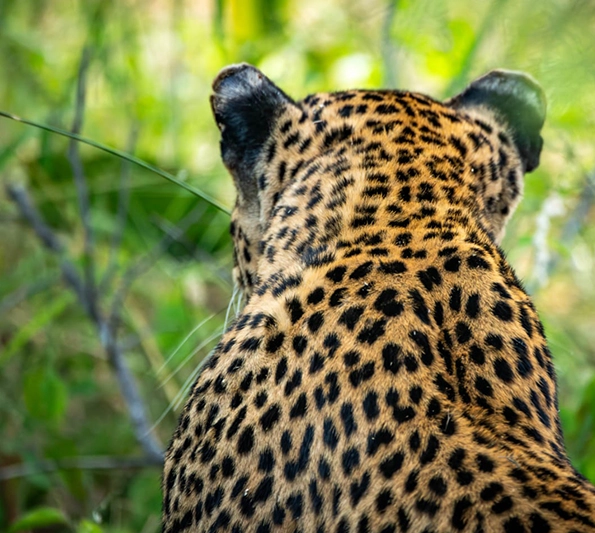
Leopards are masters of disappearing in plain sight. River systems such as the Sabie River and Sand River are well known leopard territory.
Guests staying near Skukuza and Lower Sabie often have an excellent chance of spotting one draped over a branch or moving silently through the riverine vegetation.
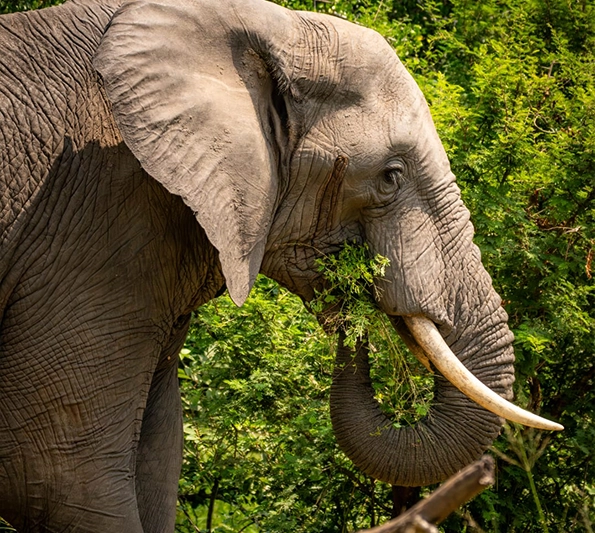
Elephants are found throughout the park and are among the most frequently seen animals.
Large breeding herds are common near water sources, while older bulls often wander alone. The central and southern regions provide particularly consistent sightings.
Cape buffalo thrive across Kruger, especially in the southern grasslands. Herds can number in the hundreds, creating an impressive sight when they move across open terrain.
Both white and black rhino occur in Kruger, although sightings have become less frequent due to ongoing conservation challenges. Certain southern and central areas still provide opportunities to see these remarkable animals.
For many seasoned safari travellers, African wild dogs are more exciting than the Big Five.
Wild dogs are regularly seen in the southern region near Crocodile Bridge and Lower Sabie. Cheetahs favour open grasslands, particularly around Satara, where visibility is better.
Impala are everywhere, and often become so familiar that visitors forget how elegant they are.
Kruger is also home to kudu, nyala, waterbuck, sable antelope, roan antelope, steenbok and many others. The northern regions are especially rewarding for travellers hoping to see some of the rarer antelope species.
Even travellers who arrive with little interest in birding often leave as enthusiastic converts.
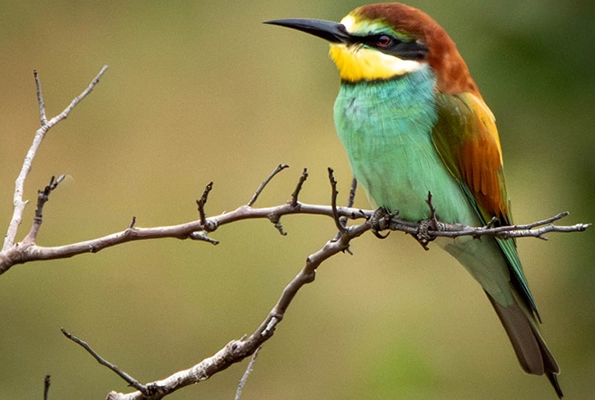
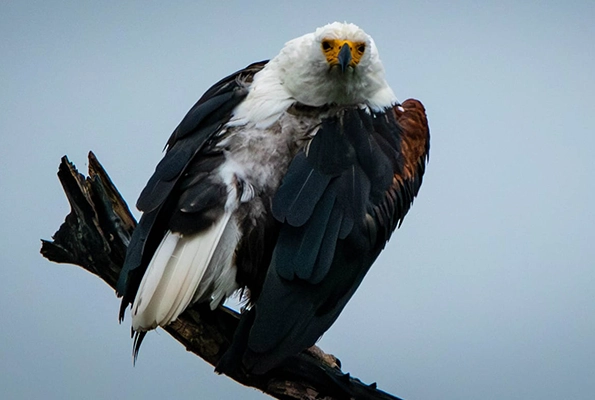
Martial eagles patrol the skies. Southern ground hornbills stride through the bush with surprising confidence. Kingfishers, bee eaters and rollers bring flashes of colour to almost every drive.
The river systems throughout the park are particularly rewarding for bird enthusiasts.
Some of Kruger’s most fascinating residents are often overlooked.
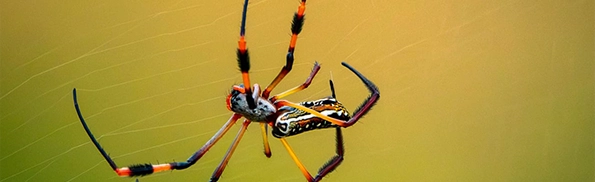
Nile crocodiles bask along riverbanks, while monitor lizards patrol water edges. Lucky visitors may spot pythons, tortoises or even the shy pangolin, one of Africa’s most elusive mammals.
Honey badgers, servals, civets and genets are also present, although these sightings tend to feel more like a gift than an expectation.
There is no single perfect way to experience Kruger’s wildlife.
The best approach depends on how you want to have the experience.
Self-drive safaris will give you flexibility and freedom, allowing you to linger at sightings and follow your own pace through the park.
Guided safaris, however, often treat you to sightings you would otherwise miss. Experienced guides read tracks, interpret animal behaviour and know where wildlife has been active recently. A seemingly empty road can suddenly become fascinating when a guide notices fresh leopard tracks crossing the dust.
For those hoping to maximise wildlife encounters, combining guided game drives with a longer stay generally produces the best results. Three to five days allows enough time for the bush to unfold naturally, rather than rushing from one sighting to the next.
The secret, though, is patience.
You can do the Kruger in a hurry because often some of the most memorable sightings happen after you’ve been sitting quietly at a waterhole.
Kruger Safaris has a wide range of exciting Kruger tour packages available. You can book a tour directly through our website.
As many travellers eventually learn, the animals of the Kruger National Park are only part of the story. The real magic lies in those quiet moments between sightings, when the bush seems to pause, the air hangs still, and something unexpected steps into view. That is often when Kruger leaves its deepest impression.