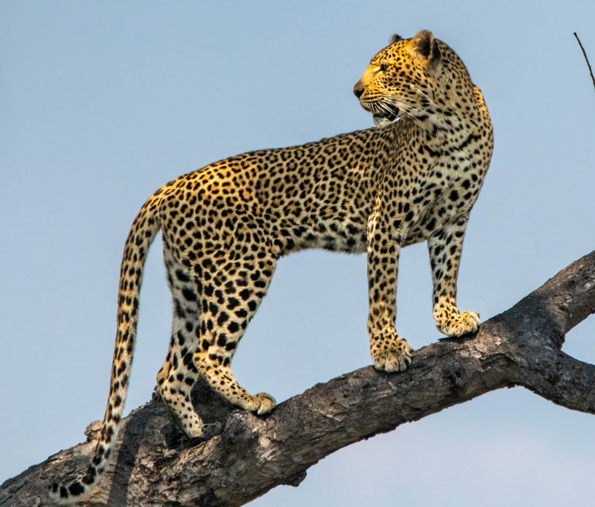
If the Kruger National Park had personalities, the south would be the sociable one.
It has richer woodland, more reliable water sources, excellent game viewing and easier access from Gauteng and Mpumalanga.
For a first Kruger safari, the Southern Kruger Park is usually the place to be.
While the northern section has its own character, with quieter roads, beautiful mopane woodland and strong elephant country, exploring this side of the park can take more time and you might not encounter half of the wildlife you’d see in the south.
The southern Kruger is by and large considered the best place for a safari, and by the time you finish reading our quick guide, you’ll understand why.
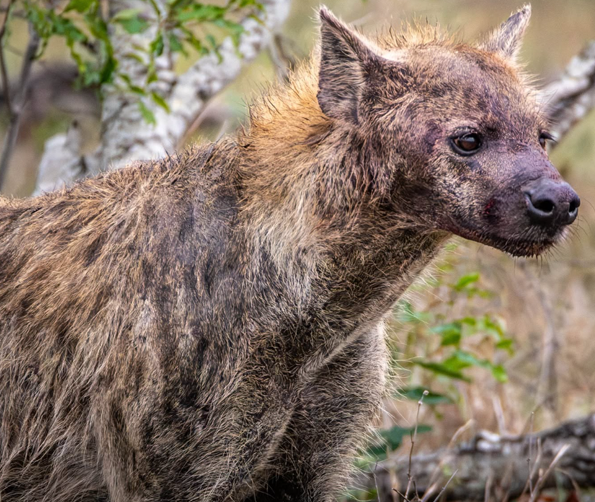
The Southern Kruger Park has higher rainfall, more varied vegetation, more roads and plenty of areas known for wildlife sightings, while the northern Kruger is generally drier, has fewer guests and wildlife, and is characterised by extensive mopane woodland and swaying savannah grasslands. At a glance, this is the difference between the two regions:
| Feature | Southern Kruger | Northern Kruger |
| Landscape | Woodland, grassland and granite areas | Mopane woodland and drier bush |
| Rainfall | Generally higher | Generally lower |
| Wildlife viewing | Better year-round game viewing of all sorts of animals | Excellent elephant country |
| Visitor numbers | Generally busier | Generally quieter |
| Access | Easier from southern gates | Longer journey from major airports |
| First safari | Excellent choice | Suits repeat visitors and solitude seekers |
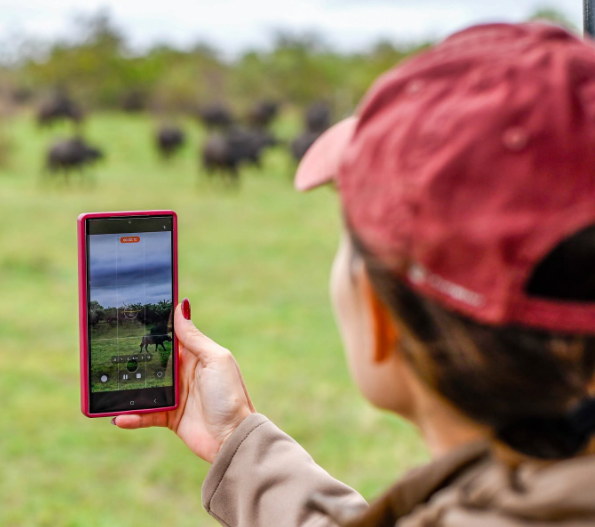
Most Kruger Park safaris take place in the southern Kruger, because the game viewing is absolutely excellent and the terrain is stunning.
The Sabie and Crocodile rivers are responsible for making the southern Kruger wildlife abundant.
Areas around Skukuza, Lower Sabie and Crocodile Bridge have productive habitats where species such as elephant, lion, leopard, buffalo and rhino can be seen.
Then there is the landscape itself.
The southern Kruger changes a lot as you drive around. One moment the road passes through open grassland, then thick woodland appears, followed by rocky terrain or a riverine stretch. That variety changes the animals visible from the vehicle too.
The southern Kruger Park is one of the most popular areas for visitors hoping to see lion, leopard, elephant, buffalo and rhino during their safari.
Leopard sightings are never guaranteed (honestly, no sightings are guaranteed because wildlife are so unpredictable), as these cats are secretive by nature, but the southern region has some of the best leopard habitats, particularly around river systems and wooded areas.
Rhino are also associated with the southern section, although sightings depend on conditions and animal movements. And lions, elephants and Cape buffalos are among the most commonly seen animals in the region.
While the southern Kruger is the preferred destination for most, the Northern Kruger suits travellers who value space, tranquillity and a different kind of bush landscape.
The region around Mopani, Shingwedzi and Pafuri has extensive mopane vegetation and receives less rainfall than the south.
Elephant sightings are abundant, while birding becomes increasingly interesting around northern watercourses and the far northern landscapes.
When you travel through the north of the park, you’ll find that time seems to slow down. Because of the distance, tours through this area tend to be longer than those in the south.
Kruger Safaris has a long list of tour packages available, and all of our tours take guests through the southern Kruger. Our safaris set off early, just after sunrise, and will take you along routes well known for their exceptional sightings.