You might not realise it, but you are in a position many who’ve already been on a safari envy. There is nothing like your first time in this amazing place, and when you get your planning just right and you know when to visit, how to get there, where to stay, what to pack and what a typical day in the park actually looks like, you can be sure that your trip will be out of this world.
In this guide, we’re sharing all of the insider information you need to know. Our guide draws on established travel patterns rather than generic advice, so each recommendation has a reason behind it, whether that is seasonal game movement, road conditions or the realities of self-catering versus full board.
By the end, you should have a clear plan for your trip, along with a sense of what to prioritise if time or budget is limited.
Why the Kruger suits a first safari
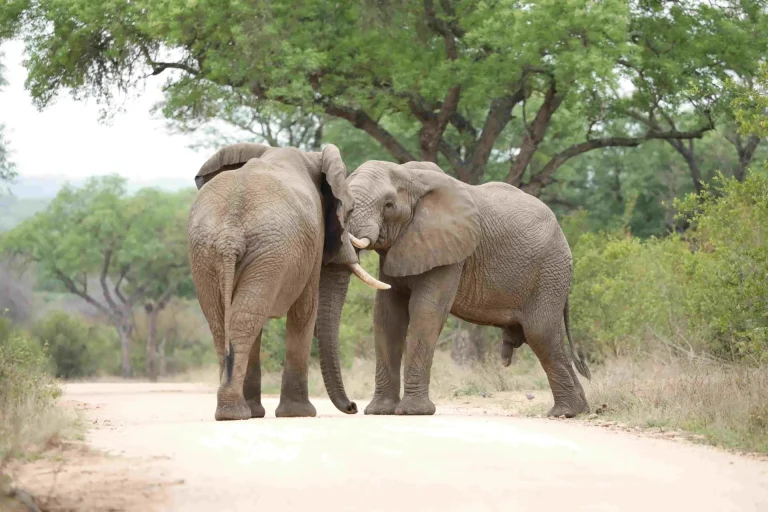
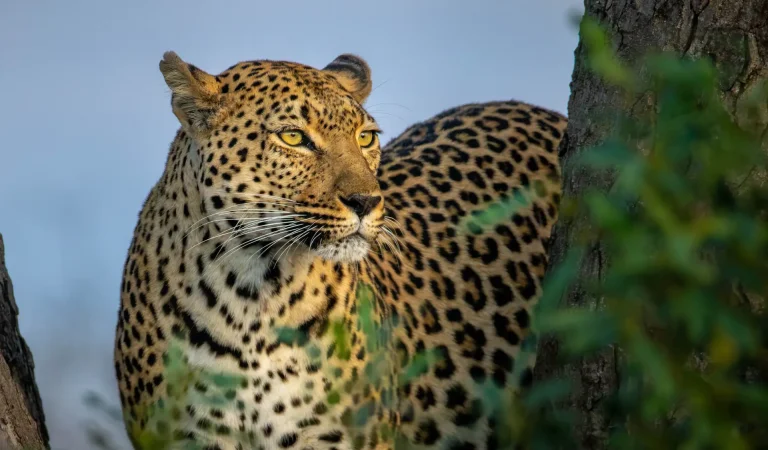
The Kruger covers nearly 20 000 square kilometres of north-eastern South Africa and is run by South African National Parks (SANParks). All of the Big Five live here, along with more than 500 kinds of bird, and lion, leopard, elephant, rhino and buffalo are all present in healthy numbers. That gives you a real chance of seeing all five in a short trip.
For a first-timer, the park’s set-up matters as much as its wildlife. The roads are well kept, the rest camps are long established and the conservation rules are strict, so you can be in wild country without giving up safety or comfort.
There’s history along the way too. You’ll pass ancient baobabs, and the park protects Iron Age archaeological sites and important conservation projects.
What a first Kruger safari costs
The Kruger’s daily conservation fee is R692 for an international adult and R345 for an international child under 12.
South African citizens and residents pay R140 per adult, while SADC nationals pay R296 per adult with proof of nationality.
But none of this affects the price you see from an operator, since these prices are just for gate entry, not for package bookings.
Most operators include the conservation fee in the overall package price, alongside transport, a guide and, depending on the package, meals and accommodation. This removes the need to work out entrance costs, fuel or parking separately, and there is no card payment required at the gate on the day.
Kurt Safari’s classic safaris from Johannesburg include conservation levies and entry fees for every day you’re in the park. Its private day safaris from Hazyview are priced per vehicle, and park entry is paid on top.
What changes from one operator to the next is what is outside of the base price.
Things like gratuities, alcoholic drinks, optional activities such as night drives or bush walks, and travel insurance are usually left for the traveller to pay themselves.
Before making your booking, you should ask for a full cost breakdown, since two safaris advertised at a similar headline price can differ once these extras are added.
SANParks reviews conservation fees annually, with recent increases taking effect from 1 November. A package price quoted well ahead of that date may be adjusted closer to your travel dates, and a reliable operator will flag this rather than absorb the increase without telling you.
Guided safari or self-drive? How to decide
A first-time visitor benefits most from a guided safari, since local guides know where predators were last spotted that morning and which of the park’s 148 mammal species tend to show up near specific waterholes at specific times of day.
Self-driving suits travellers who already know the park’s road network and want full control over their schedule.
First-timers without that experience often spend their first day getting oriented rather than spotting animals, which a guide eliminates entirely.
Guides also share sightings with one another and read the small signs in the bush. A bent stem of grass or a distant alarm call can mean a leopard is close, and most self-drivers would go straight past. A guide takes care of gate times, navigation and the rest of the logistics, so you can keep your eyes on the bush.
When to plan your first visit
May to September, the dry winter months, attract wildlife to rivers and waterholes, and the bush thins out, making sightings so much easier for a first-timer.
The balmy summer months from November to March are best known for their greenery, newborn animals and thunderstorms, though the thicker bush makes spotting wildlife a lot harder work.
Summer is also calving season for many antelope, which keeps the predators busy, and migrant birds return to the park. Winter mornings are cold in an open vehicle, but the light is clear and the game is easier to find. If you live in the UK or the US, the Kruger’s dry winter falls during your own summer holidays.
While neither season guarantees a Big Five sighting on any single day, since wildlife movement in the Kruger is never fixed to a schedule, the dry season is best for your first Kruger safari.
A first-timer’s planning checklist
You don’t have to overcomplicate your first safari trip. You just need to keep a few of these tips in mind:
- Book your safari or self-drive slot for early morning, since animals move most between sunrise and mid-morning before the heat sets in.
- Pack neutral-coloured clothing rather than bright colours, which stand out against Kruger’s bush and can unsettle animals at close range.
- Bring binoculars rather than relying on a phone camera zoom, since most first sightings happen at a genuine distance.
- Add a warm layer for early drives, comfortable closed shoes, a wide-brimmed hat and high-SPF sunscreen.
- Take a light scarf or buff, which keeps the dust off on game drives and adds warmth on cold mornings.
- Pack spare memory cards for your camera and a small daypack for the vehicle.
- Carry more water than you think you need, since rest camps and picnic sites are spaced well apart inside the park.
- Ask your guide or gate staff about recent sightings before setting off, since this single question often shapes the entire day’s route.
Guided safari or self-drive: side by side
| Factor | Guided safari | Self-drive |
|---|---|---|
| Local knowledge | Guide tracks recent sightings | Visitor relies on own research |
| Planning required | Minimal, mostly booking | Route, timing and fuel planning |
| Cost structure | Single price including fees | Entrance, conservation fee and fuel separate |
| Best suited to | First-time visitors | Repeat visitors familiar with the park |
Operators based in Hazyview, a short drive from the park’s Numbi and Phabeni gates, run day safaris lasting 5 to 10 hours in the wildlife-rich southern Kruger, giving first-timers a full day of sightings without the logistics of planning a self-drive route from scratch.
At Kruger Safaris, operated by Kurt Safari, that’s what we do. We give our clients ample time in the Kruger, ensuring they get the most out of their tour. For a first visit, the 3-day Best of Kruger classic safari from Johannesburg gives you a sunset and night safari, a full day in the park and a last morning drive. You can compare it with every other option on our Kruger safari packages page.