
Kruger National Park is one of the most famous safari destinations in Africa, offering breathtaking landscapes and diverse wildlife. However, safaris can be expensive if not planned wisely. The good news? You don’t have to break the bank to experience this adventure. This guide will help you plan a budget-friendly safari in Kruger Park without compromising on the experience.
The cost of a safari varies significantly depending on the time of year.
Off-Peak Season (May–September): This is the best time for budget travelers as accommodation rates are lower, and there are fewer crowds.
Peak Season (December–March): Prices soar during school holidays, making it the most expensive time to visit.
Weather Considerations: The dry season (May–September) offers the best wildlife viewing as animals gather around water sources.
Accommodation is one of the biggest expenses of a safari. Here are budget-friendly options:
Camping: Campsites inside Kruger Park are the cheapest option, allowing you to stay close to nature.
Rest Camps: Kruger has budget rest camps with self-catering facilities.
Lodging Outside the Park: Staying in towns near the park (e.g., Hazyview, Phalaborwa) can be more affordable.

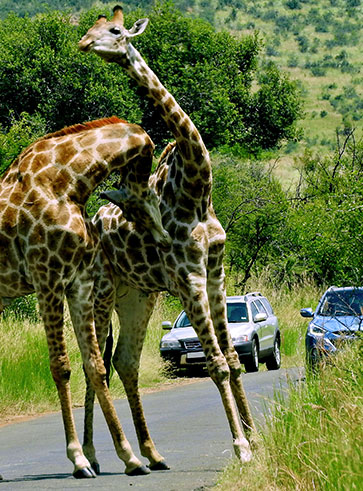
Self-Drive Safari: Renting a vehicle and driving yourself is the most budget-friendly way to explore the park.
Guided Tours: While convenient, guided tours are more expensive.
A self-drive safari offers flexibility and saves money on daily guided tour fees.
Car Rental: Rent an affordable, fuel-efficient car.
Public Transport: There are shuttles from Johannesburg to Kruger Park for budget travelers who prefer not to drive.
Daily Conservation Fees: Approx. $25 per adult per day.
South African Wild Card: If you plan to visit multiple parks, this pass can save you money on entry fees.
Packing wisely prevents unnecessary expenses:
Bring refillable water bottles and snacks.
Carry a power bank to avoid extra charging costs.
Wear comfortable clothing suitable for the weather.
Self-Catering: Staying at accommodations with kitchens helps save on food costs.
Affordable Dining: Some park rest camps have budget-friendly cafeterias.
Rent cameras and binoculars instead of buying.
Shop for second-hand safari clothing instead of expensive new gear.

Be mindful of fuel costs if driving long distances.
Check for hidden fees in accommodations and park activities.
Even on a budget trip, travel insurance is essential.
Look for providers offering affordable coverage for medical emergencies and trip cancellations.
Stick to designated camping areas for safety.
Follow park rules to avoid wildlife-related dangers.
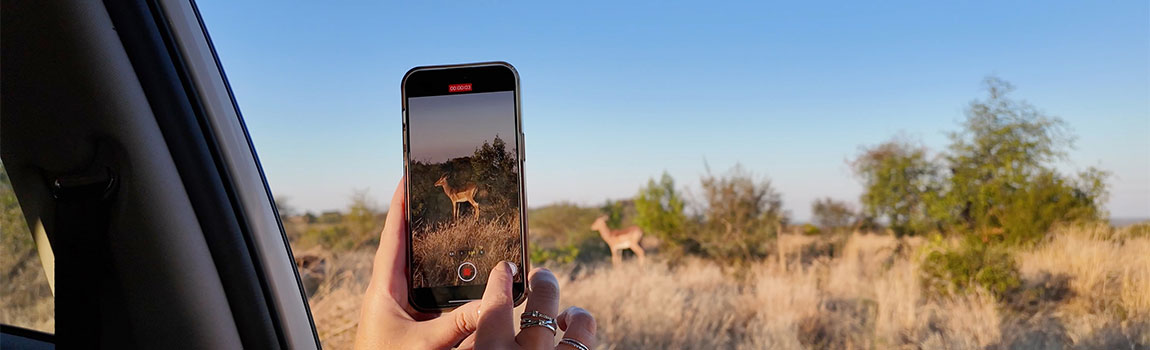
A budget safari can cost between $50-$100 per day, including entrance fees, accommodation, and food.
Yes! A self-drive safari is the most affordable and flexible way to explore the park.
Camping is the most affordable option, followed by budget rest camps.
Yes, as long as you follow park rules, stay in your vehicle, and respect wildlife.
May to September offers lower prices and excellent wildlife viewing opportunities.