
Kruger National Park, one of Africa’s most renowned wildlife reserves, is famous for its game drives and stunning landscapes. However, there’s another, more immersive way to experience its beauty—bush walks. Walking through the wilderness on foot brings a deeper connection to nature and an adrenaline-fueled adventure unlike any other.
Bush walks are guided walking safaris led by expert rangers, allowing visitors to explore the African wilderness up close. Unlike game drives, where guests remain inside vehicles, bush walks provide an intimate and exhilarating experience by venturing directly into animal habitats.
Imagine walking through the African bush, hearing the rustling of leaves, spotting fresh animal tracks, and feeling the raw presence of wildlife nearby. A bush walk engages all your senses, making every sight, sound, and smell feel more intense and real.
While game drives offer excellent viewing opportunities, they can’t match the thrill of tracking animals on foot. Bush walks teach visitors how to read the landscape, understand animal behavior, and appreciate the smaller yet equally fascinating creatures and plants that make up the ecosystem.
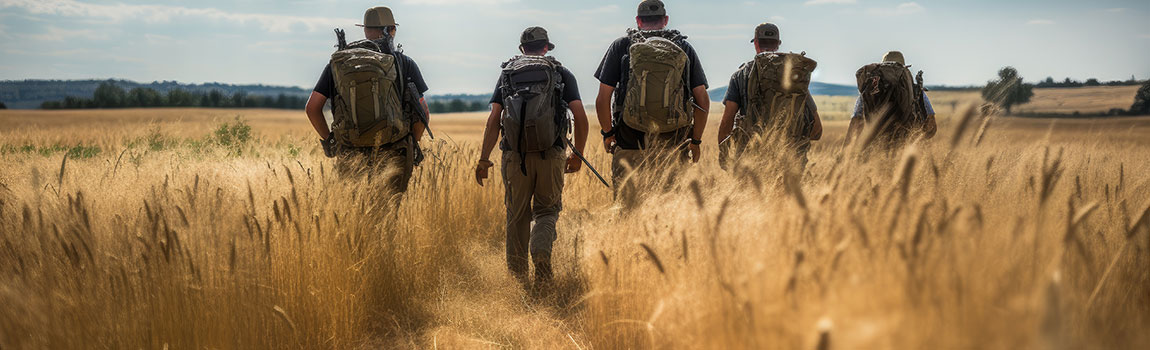
Most bush walks last between two and four hours, covering a few kilometers. Groups are small, ensuring a quiet and personal experience. Rangers guide participants safely while sharing insights about the environment and wildlife.
Early mornings and late afternoons are the best times for bush walks due to cooler temperatures and higher chances of encountering active wildlife. Dry seasons (May to September) are preferable as visibility is better with less dense vegetation.
Spotting the Big Five on foot is rare but possible. More commonly, walkers come across giraffes, zebras, impalas, and an array of bird species. Even smaller creatures like dung beetles and chameleons add to the wonder of the experience.
Rangers teach valuable skills such as recognizing animal tracks, identifying droppings, and understanding survival techniques in the wild. Learning these skills enhances appreciation for nature’s intricate balance.
Guides are highly trained professionals who ensure safety while making the walk educational and exciting. Their knowledge about the bush, animal behavior, and tracking techniques turns the walk into an unforgettable learning experience.
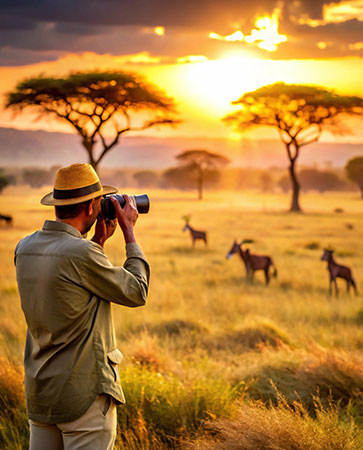
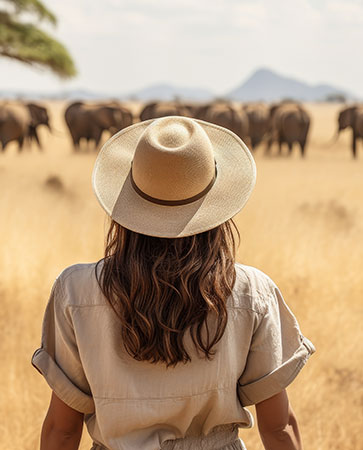
Wearing neutral-colored clothing, comfortable hiking boots, and a hat is crucial. Sunscreen, water, and binoculars enhance the experience. Cameras are allowed but should be used discreetly to avoid disturbing animals.
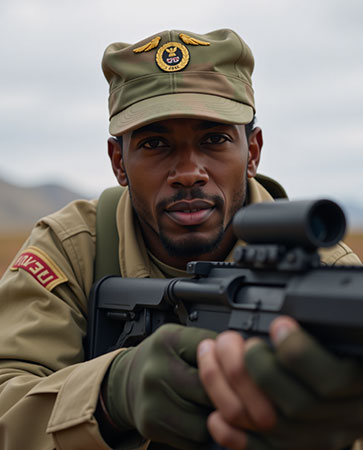
Participants must follow ranger instructions strictly. In case of an encounter with dangerous wildlife, staying calm and avoiding sudden movements is key. Rangers are armed and trained to handle any potential threats.
Several lodges and camps, such as Pafuri, Olifants, and Metsi-Metsi, offer exceptional bush walking experiences. These locations provide diverse terrains and abundant wildlife sightings.
Bush walks have minimal environmental impact, making them an eco-friendly safari option. They also support conservation efforts by promoting sustainable tourism and responsible wildlife interactions.
Yes, they are led by trained rangers who ensure safety and follow strict protocols.
A moderate level of fitness is recommended, as walks last a few hours and cover uneven terrain.
Most lodges require participants to be at least 12-16 years old for safety reasons.
Rangers are well-prepared for such situations and will instruct participants on how to react safely.
Comfortable clothing, sturdy shoes, a hat, sunscreen, and water are essential.