
Location and Size
Kruger National Park, located in northeastern South Africa, is one of Africa’s largest game reserves, spanning over 19,000 square kilometers. The park stretches across two provinces, Limpopo and Mpumalanga, offering diverse terrains ranging from savannas to woodlands.
Rich Biodiversity
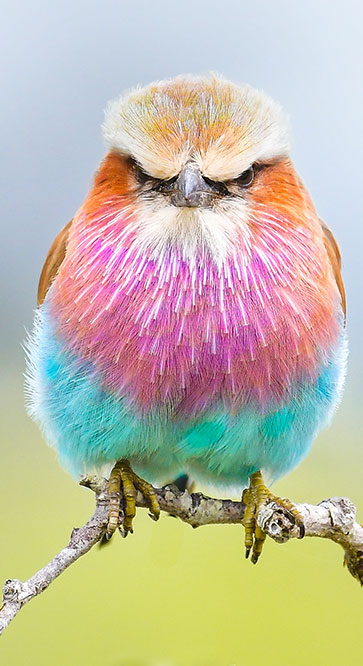
Home to over 500 bird species, 147 mammal species, and countless reptiles and insects, Kruger National Park is a biodiversity hotspot. Whether you’re an avid birdwatcher or a wildlife enthusiast, the sheer variety of species here is unmatched.
Historical Significance
Established in 1898, Kruger National Park is not just about wildlife—it’s a symbol of conservation success. Its history reflects decades of dedicated efforts to preserve South Africa’s natural heritage. The park continues to be a beacon for ecological restoration and sustainable tourism.
The Big Five and Beyond
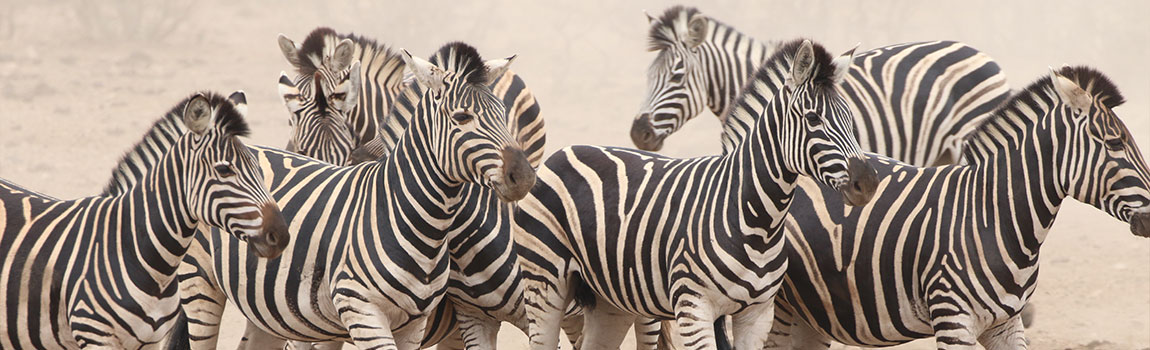
Kruger is synonymous with the “Big Five” (lion, leopard, elephant, rhino, and buffalo). But the park offers much more: cheetahs chasing prey, herds of zebras grazing, and Nile crocodiles basking on riverbanks. It’s a playground for nature’s most majestic creatures.
Expertise and Experience
Kruger Safaris prides itself on its team of professional guides who are not just knowledgeable but also passionate about wildlife. With years of experience, they know exactly where to take you for the best sightings and how to share intriguing facts about the ecosystem.
Family-Friendly Safaris
Traveling with kids? Kruger Safaris offers tailor-made experiences that are both fun and educational. Younger adventurers can enjoy kid-friendly activities while exploring the wild safely.
Honeymoon Packages
If romance is on your mind, opt for a private honeymoon safari. Picture yourself sipping champagne while gazing at a spectacular African sunset—it’s the perfect start to a lifetime of memories.
Sustainable Tourism Practices
Kruger Safaris emphasizes responsible tourism, ensuring minimal environmental impact. They advocate for ethical wildlife interactions and actively support conservation initiatives, making your trip as eco-friendly as possible.
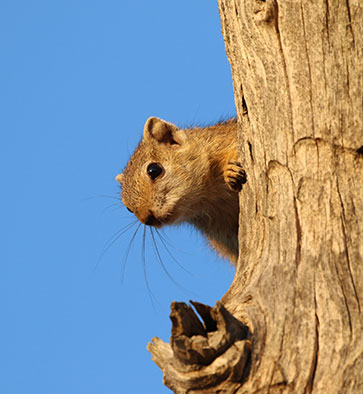
Choose between day and night game drives for entirely different perspectives. Morning drives let you witness predators on the hunt, while night drives reveal nocturnal creatures like bush babies and hyenas.
For the adventurous, walking safaris offer an intimate connection with nature. Accompanied by armed guides, you’ll explore the bush on foot, learning to track animals and understand the intricacies of the ecosystem.
If you crave comfort, luxury safari options combine five-star accommodations with exclusive game drives. Gourmet meals, spa treatments, and private lodges elevate the experience to a whole new level.
While Kruger National Park is a year-round destination, the dry season (May to October) is ideal for game viewing. Animals congregate around waterholes, making them easier to spot. The wet season (November to April) is perfect for birdwatching and lush landscapes.
From luxurious lodges to budget-friendly campsites, Kruger Safaris ensures there’s an option for every traveler. Whether you prefer waking up in a cozy tent or indulging in high-end suites, you’ll find your perfect base here.
Prepare for unpredictable weather by packing layers, a good pair of binoculars, sunscreen, a hat, and a camera with ample storage for all those incredible photos.
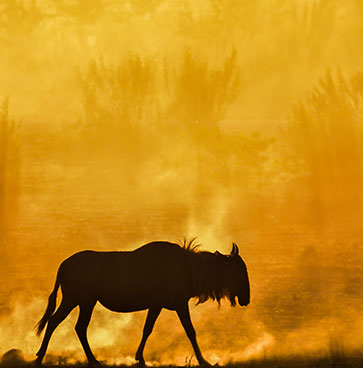
Guides with Kruger Safaris are skilled in spotting even the most elusive animals. They know animal behavior and can take you to the best locations at the right times.
A safari isn’t just about fun—it’s also about staying safe. With trained professionals handling navigation and emergencies, you can focus on enjoying the adventure.
The dry season from May to October offers the best game-viewing opportunities.
Absolutely! Kruger Safaris offers private packages tailored to your preferences.
While wildlife sightings can’t be guaranteed, you’re very likely to see the Big Five and a variety of other animals.
Yes! Kruger Safaris provides family-friendly options with safety as a top priority.
They actively contribute to local conservation efforts and promote sustainable tourism practices.