
Kruger National Park was established in 1926, making it one of the oldest conservation areas in Africa. Named after Paul Kruger, a former president of the South African Republic, the park’s mission has always been to preserve the region’s rich biodiversity. Today, it stands as a testament to successful wildlife conservation, attracting millions of visitors annually.
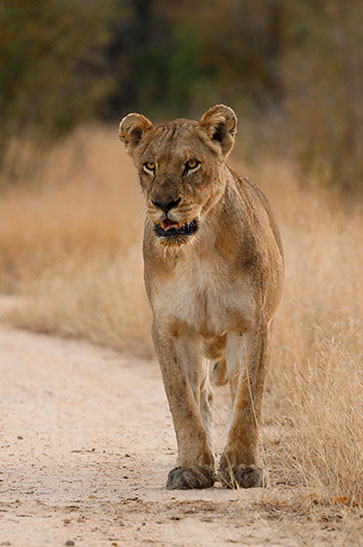
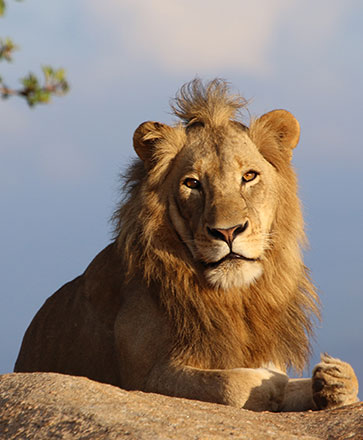
Kruger’s diverse ecosystems range from dense woodlands to open savannahs, each hosting unique species. The park boasts over 500 bird species, nearly 150 mammals, and countless reptiles, making it one of the most biodiverse areas on the planet. It’s also home to the iconic Big Five: lions, leopards, rhinos, elephants, and buffalo.
• Guided Safaris: Perfect for first-time visitors, guided tours are led by expert rangers who know where to find wildlife and share fascinating insights.
• Self-Drive Safaris: Enjoy the freedom of exploring the park at your own pace. Just grab a map and hit the road.
• Walking Safaris: Get up close to nature on foot, accompanied by experienced guides who ensure your safety.
• Luxury Safaris: Indulge in premium lodges, gourmet meals, and exclusive game drives for a truly lavish experience.
The best time to visit depends on what you want to see:
• Dry Season (May to September): Ideal for wildlife spotting as animals gather around waterholes.
• Wet Season (October to April): Perfect for birdwatching and lush green landscapes.
While the Big Five are a major draw, don’t miss out on other incredible species:
• Cheetahs and Wild Dogs: Rare and thrilling to spot.
• Hippos and Crocodiles: Found in rivers and waterholes.
• Birds: From colorful kingfishers to majestic eagles, bird lovers will be in paradise.
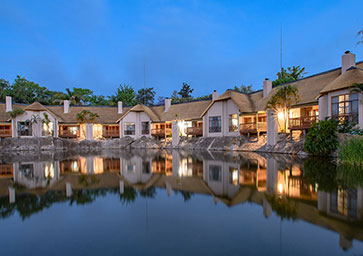
• Rest Camps: Affordable and family-friendly, offering basic amenities and great locations.
• Luxury Lodges: Think private decks, plunge pools, and five-star service.
• Budget-Friendly Stays: Campsites and simple chalets for travelers on a budget.
• Southern Region: Known for dense wildlife populations and iconic sightings.
• Central Region: Open plains that are great for spotting predators.
• Northern Region: Less crowded and perfect for those seeking solitude.
• Clothing: Neutral colors, comfortable layers, and a hat.
• Gear: Binoculars, a good camera, and a field guide.
• Safety: Always follow ranger instructions and stay in designated areas.
• Wildlife Sightings: Early morning and late afternoon drives offer the best chances.
Kruger is great for families. Some lodges offer kids’ programs, and certain safaris are tailored for younger adventurers.
• Gear: A zoom lens is a must for capturing distant wildlife.
• Timing: The golden hours of sunrise and sunset provide perfect lighting.
Enhance your trip with visits to local villages and try traditional South African dishes like braai or pap and stew.
Kruger Park is a leader in eco-tourism. From anti-poaching programs to green lodges, every visitor can help protect this natural treasure by choosing responsible tour operators.
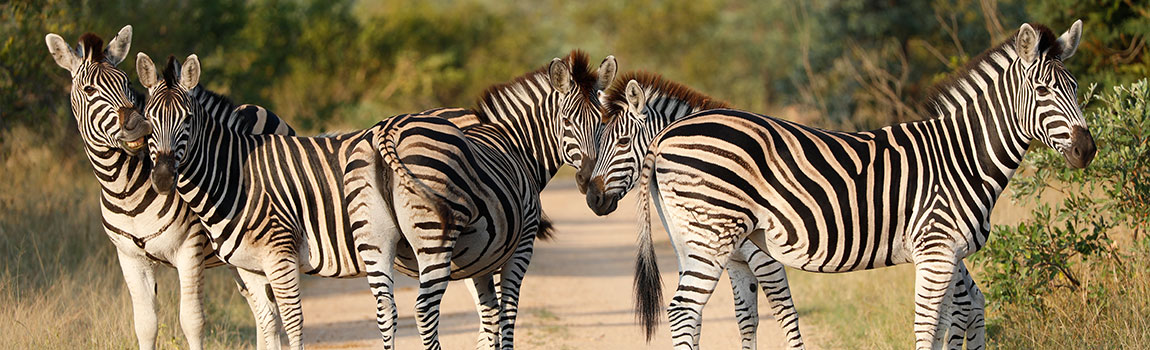
The dry season (May to September) is ideal for wildlife spotting, while the wet season (October to April) is great for birdwatching.
A minimum of 3-5 days is recommended to explore the park and maximize your wildlife sightings.
Absolutely! Many lodges and tours are designed with families in mind, offering activities for children.
No, most of Kruger’s roads are accessible with a standard car, but a 4×4 may be useful for off-the-beaten-path areas.
Essentials include neutral clothing, a camera, binoculars, sunscreen, and insect repellent.