
The Kruger National Park is one of the most famous wildlife destinations on the planet and unlike other game parks, when you take a drive through here, whether guided by a safari company or on your own, you are guaranteed to see something, even if it is just a herd of impala.
Yet the Kruger National Park is not simply a wilderness that has always existed untouched.
Behind every game drive and every lion sighting lies a fascinating history that is the result of conservation pioneers, local communities, political change, and a determination to protect one of Africa’s most important wildlife areas.
For travellers exploring South Africa’s most famous safari destination, understanding the history of the Kruger National Park is one way to gain a whole new appreciation for why it is so special.
Long before it became a protected reserve, the region that is now the Kruger National Park was home to people, wildlife, and trade routes stretching back thousands of years.
Archaeological evidence shows that Stone Age communities lived throughout the area. Later, Iron Age settlements emerged, with people farming, trading, and building communities across the Lowveld.
Remnants of these early settlements can still be found within the park today.
Wildlife moved freely across the landscape. Elephant, buffalo, rhino, lion, and countless antelope species followed ancient migration routes long before any boundaries existed.
For centuries, people and wildlife shared this landscape, creating a rich cultural and natural heritage that remains part of Kruger’s story.
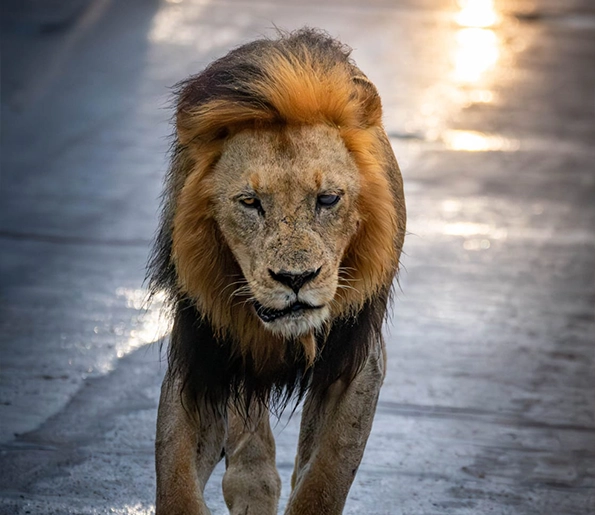
By the late 1800s, uncontrolled hunting had become a serious threat to wildlife populations across southern Africa.
Many species that are common in the Kruger today faced dramatic declines. Concerned about disappearing wildlife, the government of the South African Republic took an important step in 1898 by establishing the Sabie Game Reserve.
This reserve was created by President Paul Kruger, whose name would later become permanently linked to the park.
At the time, the reserve was less about tourism and more about preventing the complete loss of wildlife.
Few could have imagined that this decision would eventually create one of the world’s most respected conservation areas.
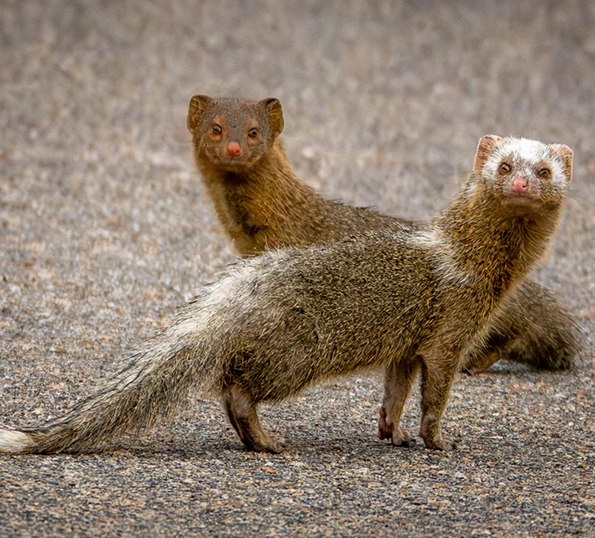
No discussion about the history of the Kruger National Park would be complete without mentioning James Stevenson-Hamilton.
Appointed as the first warden of the Sabie Game Reserve in 1902, Stevenson-Hamilton dedicated much of his life to protecting the area’s wildlife.
His task was far from easy. Poaching was widespread, resources were limited, and conservation was not always popular. Yet he remained committed to preserving the reserve and strengthening wildlife protection measures.
Visitors can still see his influence today. Many of the principles he established became the foundation of modern wildlife management in South Africa.
Stevenson-Hamilton’s former home at Skukuza is now a museum, offering an interesting glimpse into the early days of conservation in the park.
The defining moment came on 31 May 1926.
That was the day the National Parks Act officially created Kruger National Park, combining the Sabie Game Reserve with neighbouring protected areas.
The new park covered nearly 20,000 square kilometres, making it one of Africa’s largest protected wildlife areas.
At first, tourism was limited. Roads were basic, accommodation was scarce, and visitors often had to bring much of their own equipment. Early travellers arrived by train and experienced a very different safari from those enjoyed today.
Even so, interest steadily grew.
People were drawn by the opportunity to see wildlife in its natural environment, something that was becoming increasingly rare elsewhere.
The 1930s and 1940s marked the beginning of Kruger’s tourism era.
Rest camps were developed, roads improved, and facilities gradually became more accessible. Places such as Skukuza, Satara, and Lower Sabie began welcoming growing numbers of visitors.
Unlike many safari destinations elsewhere in Africa, Kruger developed a model that combined accessibility with conservation. Ordinary travellers could experience exceptional wildlife viewing without requiring an exclusive private safari.
That balance remains one of the park’s greatest strengths.
Today, visitors can choose everything from self-drive holidays to luxury Kruger safari experiences, while still enjoying access to one of the most wildlife-rich regions on the continent.
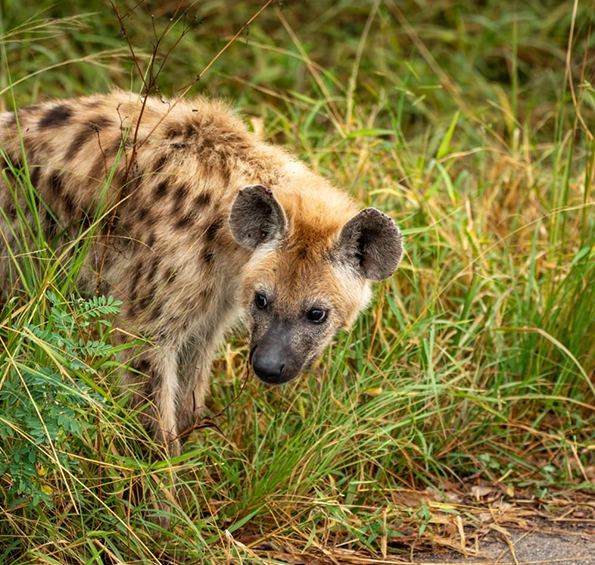
| Year | Milestone |
|---|---|
| 1898 | Sabie Game Reserve established |
| 1902 | James Stevenson-Hamilton appointed first warden |
| 1926 | Kruger National Park officially proclaimed |
| 1930s | First tourist facilities expanded |
| 1960s onwards | Major road and camp development |
| Today | One of Africa’s leading conservation success stories |
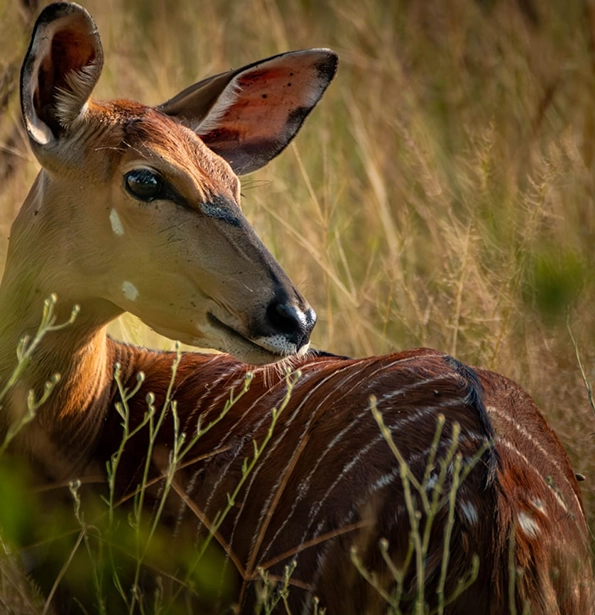
Understanding the history of the Kruger National Park often changes the way many travellers see it.
The lions resting beneath a marula tree, the elephants crossing a dusty road, and the camps that feel so familiar today all exist because generations of people fought to protect this landscape.
For those planning a Kruger safari, the park is not simply a place to see wildlife. It is a living story that has been unfolding for more than a century, and every visitor becomes a small part of its next chapter.
If experiencing this remarkable history firsthand sounds appealing, booking a guided safari through this great wilderness is about the best way to get the full wildlife experience.
At Kruger Safaris, a partner of Kurt Safari, we have a range of exciting Kruger Park safari packages, including luxury tours, private safaris and classic Kruger safari experiences.